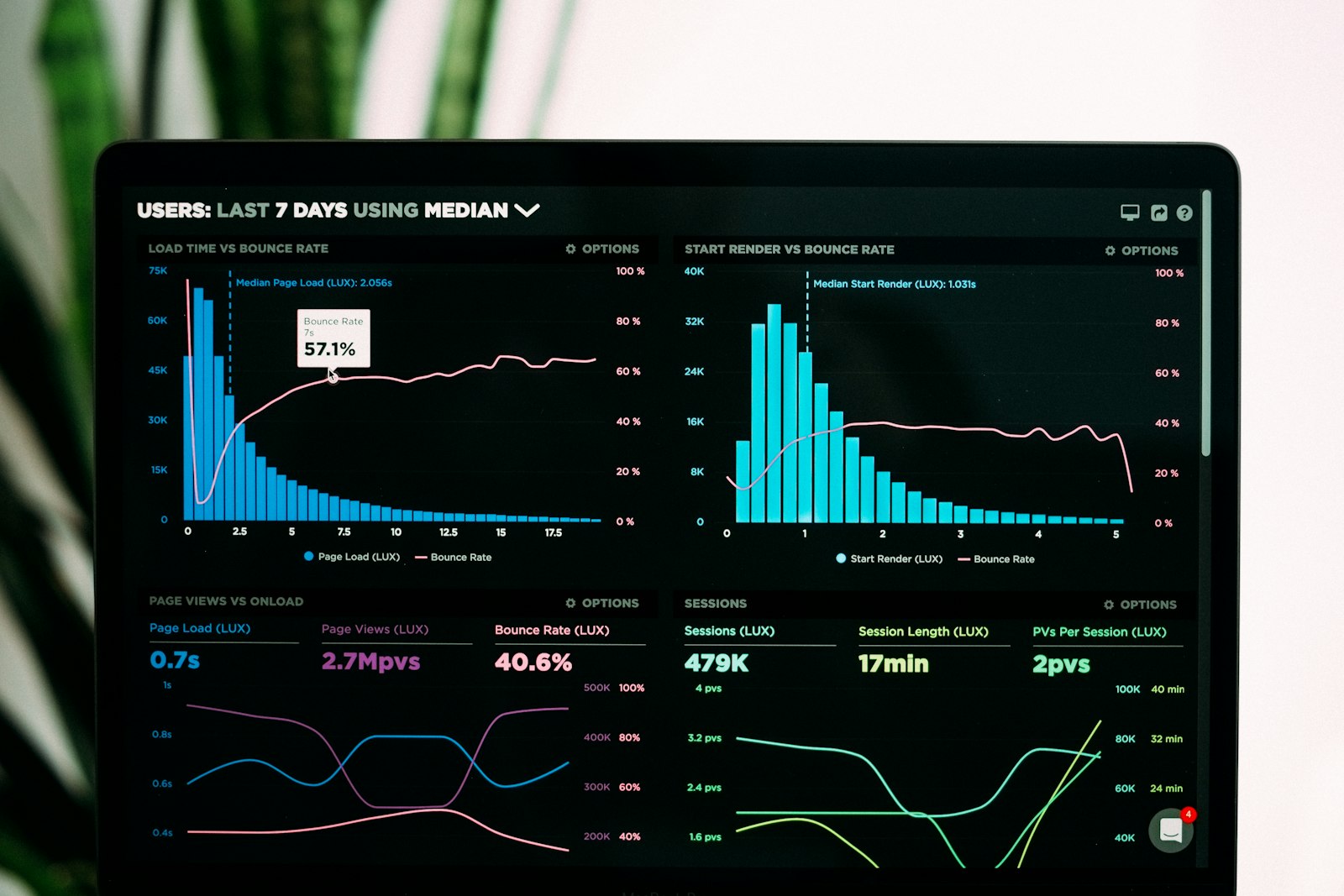
Programmatic display advertising uses automated technology to buy and place banner ads across publisher networks, with real-time bidding and targeting based on audience data, device, and context.
Definition
Programmatic advertising replaces manual media buying with algorithms that decide which impressions to purchase, what price to pay, and which creative to show. Display ads appear as banners, native content, or video across websites and apps, selected through real-time bidding on ad exchanges. Targeting parameters include audience segments, company attributes, device type, location, and behavioral history. Automation ensures ads reach intended audiences efficiently without requiring media buyers to negotiate individual placements directly.
Why It Matters in ABM
Account-based marketing combines high-intent direct outreach with coordinated paid media to increase frequency and top-of-mind presence at target accounts. Programmatic display enables ABM teams to identify and reach specific companies and decision-makers across the open web. By combining company-level targeting with intent data and custom audience segments, programmatic ads reinforce ABM messaging at scale, creating multiple touchpoints that improve account recognition, brand recall, and receptivity when sales teams engage.
Skip the manual work
Abmatic AI runs targets, sequences, ads, meetings, and attribution autonomously. One platform replaces 9 tools.
See the demo →Key Characteristics
- Automated purchasing and placement through real-time bidding on ad exchanges
- Targets audiences using first-party, second-party, and third-party data
- Supports display banner ads, native advertising, and video formats
- Enables frequency capping and sequential messaging across account populations
- Provides real-time performance data and optimization capabilities
Practical Example
A financial services ABM campaign identifies 500 target accounts in the commercial banking sector. The team uses programmatic display to reach executives at those companies with a sequential 4-week creative series: awareness ad (week 1), consideration content (week 2), social proof ad (week 3), and a final conversion-focused banner (week 4). Programmatic automation ensures accurate targeting, frequency capping to avoid ad fatigue, and creative rotation that builds message progression across the customer journey.


